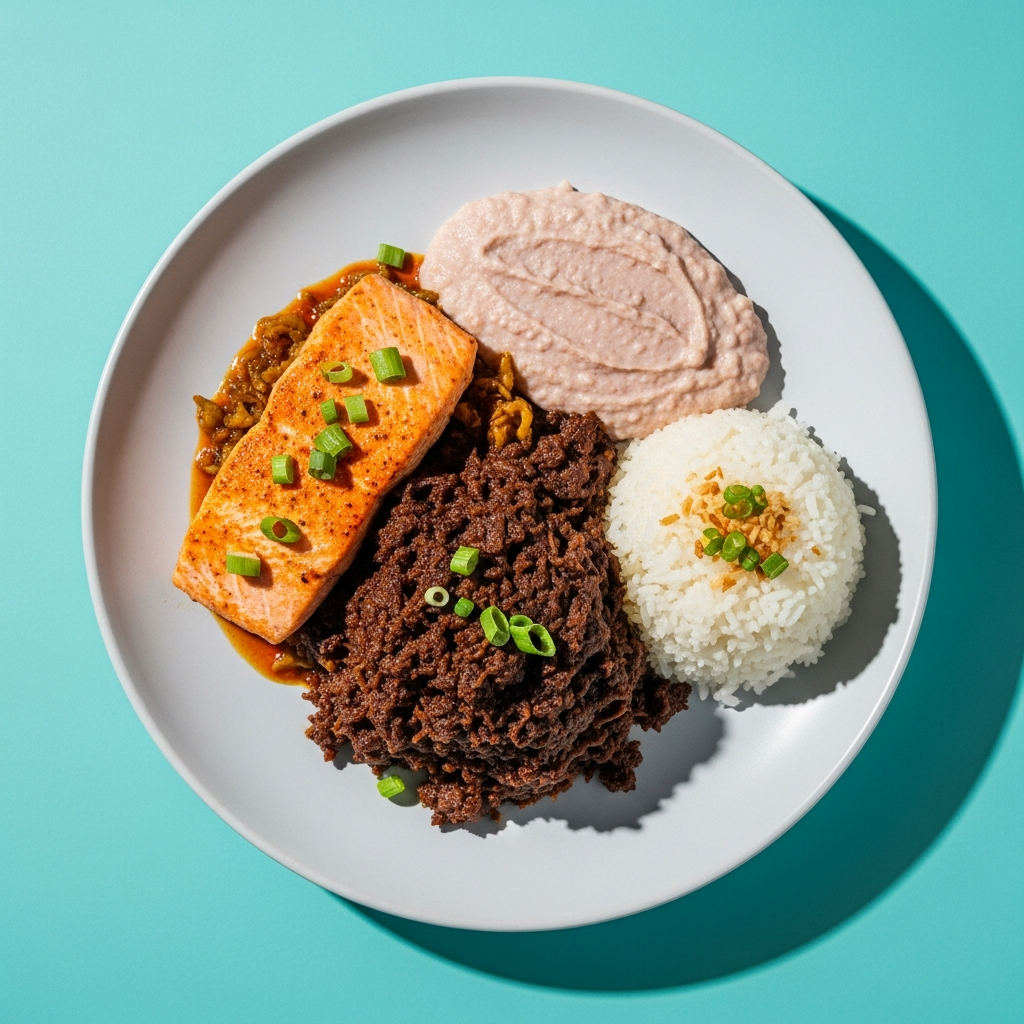
Day 10: Honolulu - Traditional Hawaiian Plate with Kalua Pork
We leave the mainland behind and island-hop to Honolulu, where Polynesian traditions and plantation-era influences created one of America's most distinctive food cultures.
The Roots of Hawaiian Soul Food
Hawaiian cuisine tells the story of the islands—indigenous Polynesian traditions, Asian plantation workers (Japanese, Chinese, Filipino, Portuguese), and American influence all layered together. The "plate lunch" tradition, born in the 1880s to feed sugar plantation workers, became Hawaii's defining meal.
A traditional Hawaiian plate isn't just food—it's cultural preservation. Dishes like kalua pork (imu-roasted pig) and poi (pounded taro) connect directly to ancient Hawaiian practices, while lomi lomi salmon reflects the blending of cultures.
The Recipe: Hawaiian Plate Lunch
Serves: 6 | Prep Time: 30 minutes | Cook Time: 8 hours (slow cooker method)
For the Kalua Pork:
Ingredients:
- 2.3kg (5 lbs) pork shoulder (butt), boneless
- 30g (2 tbsp) Hawaiian sea salt (or coarse sea salt)
- 15ml (1 tbsp) liquid smoke
- 6 Ti leaves or banana leaves (or aluminum foil)
Instructions:
-
Rub pork all over with salt.
-
Pierce the meat deeply in several spots with a knife. Drizzle liquid smoke into these cuts and over the surface.
-
Wrap pork tightly in ti/banana leaves (or foil). This mimics the underground imu oven.
-
Slow Cooker Method: Place in slow cooker, cover, cook on low 16-18 hours until fall-apart tender.
-
Oven Method: Preheat to 300°F. Place wrapped pork in roasting pan with 1 cup water. Cover tightly with foil. Roast 6-8 hours until shredding easily.
-
Remove from wrapping. Shred pork with two forks, incorporating the rendered fat and juices. The pork should be smoky, salty, and melt-in-your-mouth tender.
For the Lomi Lomi Salmon:
Ingredients:
- 450g (1 lb) fresh salmon (sushi-grade), skinless
- 4-5 medium tomatoes, diced
- 1 large sweet onion (Maui onion if possible), diced
- 4 green onions, sliced
- 60ml (4 tbsp) fresh lemon juice
- Hawaiian sea salt to taste
- Ice water
Instructions:
-
Heavily salt salmon and refrigerate 4 hours. This "cures" it.
-
Rinse salmon thoroughly. Place in ice water for 15 minutes to remove excess salt.
-
Dice salmon into small cubes (about ½ inch).
-
In a bowl, combine salmon, tomatoes, sweet onion, green onions, and lemon juice.
-
Using your hands, "lomi lomi" (massage) everything together, breaking down the salmon slightly. It should be chunky but cohesive.
-
Taste and adjust salt. Chill until serving.
For the Coconut Rice:
Ingredients:
- 480g (2 cups) jasmine rice
- 400ml (1 can) coconut milk
- 240ml (1 cup) water
- 5g (1 tsp) salt
- 15g (1 tbsp) sugar
Instructions:
-
Rinse rice until water runs clear.
-
Combine rice, coconut milk, water, salt, and sugar in a rice cooker or pot.
-
Cook according to rice cooker instructions, or bring to boil, cover, reduce to low, and simmer 18 minutes.
-
Let rest 10 minutes before fluffing.
For Serving:
- Mac Salad: Classic Hawaiian macaroni salad (mayo-based, simple)
- Cabbage: Simple steamed cabbage or sautéed greens
- Poi: Traditional pounded taro (available at Hawaiian markets, or substitute sweet potato mash)
Assemble the Plate:
Scoop of rice, generous portion of kalua pork, lomi lomi salmon on the side, mac salad, and steamed cabbage. Serve family-style or on individual plates.
Chef's Notes
The Imu Tradition: Traditionally, kalua pork is cooked in an underground oven (imu) with hot lava rocks and banana leaves. The slow cooker method approximates this with liquid smoke.
Liquid Smoke: Essential for home cooking to recreate the smoky imu flavor. Don't skip it.
Lomi Lomi Technique: "Lomi" means to massage or knead in Hawaiian. The act of mixing with your hands is traditional and helps marry the flavors.
Make Ahead: Kalua pork freezes beautifully. Make a big batch for future meals. Lomi lomi is best made 2-4 hours ahead so flavors meld.
Poi: If you can't find poi, don't worry—many locals skip it too unless it's a special occasion. Sweet potato or regular mashed potatoes work as a starch substitute.
Why This Meal Represents Honolulu
The Hawaiian plate lunch is the ultimate melting pot meal—indigenous ingredients (taro, fish, pork), Japanese influences (rice, mac salad style), and American portions all on one plate. It represents Hawaii's layered history and the aloha spirit of sharing food.
In Honolulu, plate lunch spots like Rainbow Drive-In and Helena's have been serving locals for generations. It's affordable, filling, and deeply connected to Hawaiian identity.
The Plantation Era Legacy
During the plantation era (1850s-1950s), workers from Japan, China, Korea, Portugal, and the Philippines brought their cuisines. They shared lunch, trading dishes, and Hawaiian cuisine as we know it emerged—a true fusion before "fusion" was a buzzword.
That's why you'll find Portuguese sweet bread, Japanese mochi, Chinese char siu, and Hawaiian kalua pork all considered "local food."
Aloha Spirit and Ohana
Hawaiian food culture centers on "ohana" (family) and "aloha" (love, compassion). Meals are communal, portions are generous, and sharing is expected. The plate lunch isn't just fuel—it's an expression of caring for others.
Pairing Suggestions
- Beer: Local Kona Brewing or Maui Brewing
- Cocktail: Mai Tai (the Hawaii classic)
- Non-alcoholic: POG juice (Passion-Orange-Guava) or coconut water
Related Recipes
Explore more Hawaiian and Pacific flavors:
- Chicken Long Rice (Hawaiian chicken soup)
- Loco Moco (rice, burger, egg, gravy)
- Poke Bowl (marinated raw tuna)
Next Stop: Tomorrow we cross the Pacific to Japan's capital for the ultimate comfort food. Day 9: Tokyo Tonkotsu Ramen awaits!
This is Day 8 of our 80-day culinary journey. Follow the complete series here.