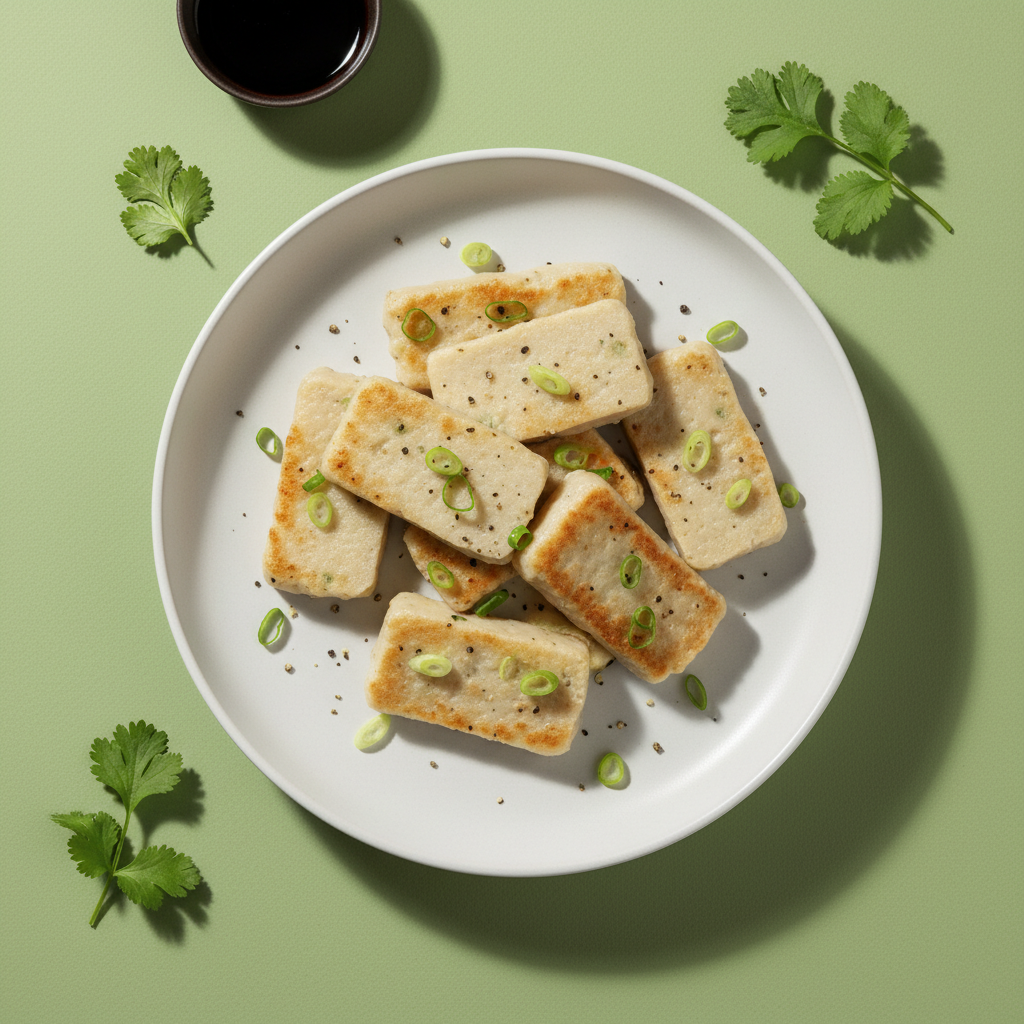
The first thing that hits you isn't the smell, though the briny tang of the sea is definitely there. It's the shapes. Not just the simple ovals and rectangles you might expect, but intricate spirals, twisted knots, even fish-shaped cakes studded with colorful vegetables. I stood there, mesmerized, in the heart of Busan's Jagalchi Market, surrounded by stacks of glistening eomuk, each one a tiny edible sculpture.
Busan and fish cakes are practically synonymous. While fish cakes themselves have a long history in Korean cuisine, finding their roots in the Joseon dynasty, it's Busan that truly embraced them, turning them into an art form. Thanks to its proximity to the sea and abundance of fresh seafood, Busan became the epicenter of eomuk production, developing unique techniques and flavors that set it apart. More than just a snack, eomuk in Busan is a source of local pride.
My mission: to understand this devotion. I started with the basics: the long, thin sheets of eomuk, often served on skewers in a steaming broth. The broth itself is a work of art, usually a light, savory dashi infused with dried kelp and radish. Each vendor has their own secret recipe, a subtle blend of spices and seasonings that elevates the humble fish cake to something truly special. Then I ventured into the more elaborate creations: eomuk stuffed with cheese, wrapped in bacon, or even deep-fried to a golden crisp. I tried spicy eomuk, sweet eomuk, and eomuk with a hint of seaweed. Each bite was a revelation, a testament to the versatility of this seemingly simple ingredient. What struck me most was the dedication of the vendors. These aren't just mass-produced snacks; they're carefully crafted creations, made with fresh ingredients and a whole lot of heart. One ajumma (auntie) I spoke with told me she'd been making eomuk for over 30 years, learning the secrets from her mother. Her hands, gnarled with age, moved with incredible speed and precision, shaping the fish paste into intricate designs.
Making It Your Own (Sort Of)
Okay, let's be real. Making authentic Busan-style eomuk at home is a challenge. The techniques are intricate, and the equipment can be specialized. However, that doesn't mean you can't capture the spirit of eomuk in your own kitchen.
- Start with good quality fish paste: Look for a brand that uses a high percentage of fish and minimal fillers.
- Get creative with shapes: Don't be afraid to experiment with different forms. Use cookie cutters, or simply shape the fish paste by hand.
- Flavor is key: Add your favorite seasonings, like soy sauce, garlic, ginger, or gochugaru (Korean chili powder).
- Embrace the broth: A flavorful broth is essential for serving eomuk. Use a dashi base or create your own using vegetable scraps and seaweed.
Pro Tip: If you can't find Korean fish paste, try using a blend of white fish like cod or pollack. Grind the fish in a food processor until smooth, then add seasonings and a bit of starch to bind it together.
As the sun set over Busan, casting a golden glow on the bustling market, I realized that eomuk is more than just a food; it's a symbol of Busan's vibrant culture, its connection to the sea, and the enduring spirit of its people. Every bite tells a story, a story of tradition, innovation, and a whole lot of love. And while I may never be able to replicate the magic of Busan's eomuk in my own kitchen, I'll always cherish the memories – and the flavors – of my fish cake odyssey. Now, where to next? Perhaps Jeju Island is calling…